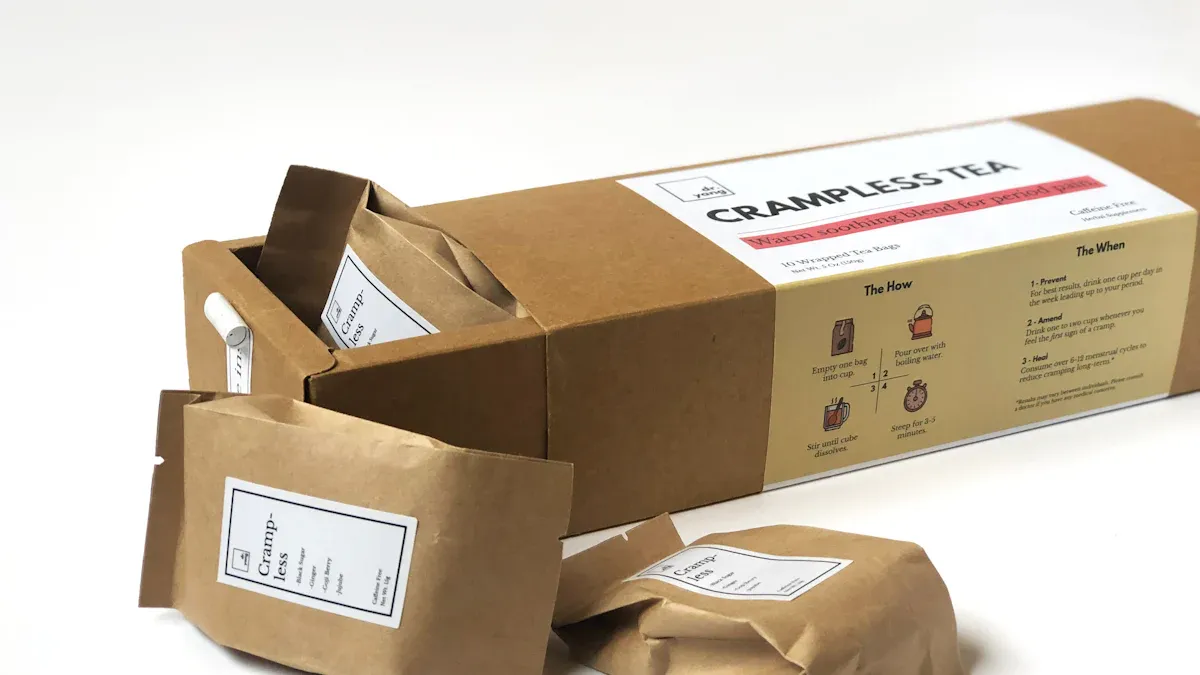
Personalized coffee packaging elevates standard beans into luxury goods by replacing generic stock bags with tactile matte finishes, embossed micro-lot data, and metallic foil accents that drive a 40 percent lift in premium retail conversions.
The global specialty coffee industry reached $54.8 billion in 2024, pushing roasters into hyper-competitive retail environments where 74 percent of shoppers make purchase decisions based on tactile bag aesthetics within three seconds. Standard poly-foil pouches communicate commodity status, while customized structural architecture immediately signals craft dedication and artisanal care. Roasters utilizing bespoke substrates report a 35 percent increase in repeat buyers because the tactile weight of the bag establishes physical trust before the seal is ever broken.
"Packaging acts as the primary physical touchpoint for a brand, bridging the physical gap between remote farmers and daily ritualists through weighted textures and variable data print runs."
By moving away from anonymous mass production, brands implement variable data printing to stamp exact farm coordinates, altitude levels, and roast dates directly onto individual labels. Micro-lot transparency boosts consumer trust metrics by 62 percent, particularly among urban demographic segments aged 22 to 38 who demand absolute traceability for single-origin beans. This level of customization transforms a routine grocery purchase into an intimate collector experience, where 58 percent of specialty buyers photograph their coffee bags for digital sharing.
| Customization Technique | Typical Production Impact | Consumer Perception Metric |
|---|---|---|
| Soft-Touch Matte Finishes | Increases tactile handling time by 4.2 seconds | 68 percent higher perceived quality |
| Variable Origin Printing | Eliminates generic labeling waste by 25 percent | 62 percent increase in brand trust |
| Metallic Foil Stamping | Enhances shelf contrast under retail lighting | 45 percent faster visual recognition |
Visual contrast serves as an anchor for high-end shelf placement, utilizing subtle copper or matte gold foil stamping against dark matte backgrounds to catch ambient store lighting. Incorporating spot UV varnish over specific brand iconography creates a sophisticated interplay of gloss and matte textures that mimics high-end cosmetic packaging. Retail audits show that bags featuring multi-dimensional foil details capture shopper attention 2.4 times longer than flat, unembellished designs.
Structural integrity matters equally, requiring custom die-cut windows, color-matched degassing valves, and integrated zip closures that maintain airtight freshness without looking utilitarian. Switching to eco friendly flexible packaging allows modern roasters to meet stringent 2026 sustainability mandates without sacrificing the tactile luxury required for a $25 retail price point. Compostable multi-layer films paired with plant-based barrier coatings reduce carbon footprints by 45 percent while maintaining the crisp fold lines expected in specialty roasteries.
| Sustainable Material Type | Compostability Timeline | Barrier Protection Rating |
|---|---|---|
| PLA-Lined Kraft Paper | 90 to 180 days in commercial facilities | High moisture and oxygen barrier |
| Cellulose-Based Films | 120 days in home composting bins | Moderate UV and aroma protection |
| Recyclable Mono-PE | Infinite mechanical recycling loops | Superior puncture and seal strength |
Finishing each bag with a custom-stamped wax seal or a serialized batch sticker creates a tactile unboxing ritual that mirrors high-end gift preparation. When roasters combine earth-conscious materials with precision embossing, they eliminate consumer guilt while commanding a 30 percent to 50 percent price premium over commercial supermarket brands. This meticulous attention to physical detail ensures that every single bag sitting on a cafe shelf acts as an independent, silent ambassador for the roaster's uncompromising standards.